
History of Blackjack
Blackjack, also known as 21, is one of the most popular casino games in the world. It’s a game that has been played for centuries, and its origins are somewhat shrouded in mystery. Let’s find out about the history of blackjack, from its early beginnings to the modern-day version played in casinos worldwide.
Origins of Blackjack

The exact origins of blackjack are unknown, but it’s believed to have been derived from several different games that were popular in Europe during the 16th and 17th centuries. One of these games was called “vingt-et-un,” French for “twenty-one.” It’s believed that the game originated in France and was played by soldiers during battle breaks.
Another game thought to have contributed to the creation of blackjack is called “trente-un,” French for “thirty-one.” This game was played with a deck of cards and the goal was to get as close to 31 points as possible without going over.
The first version of blackjack in North America was called “twenty-one.” This game was first mentioned in a book by Miguel de Cervantes, the author of Don Quixote. In the book, the game is described as a popular game that was played in Spanish casinos. The idea of the game was to get a hand with a total value of 21 points.
In the early versions of blackjack, several rules were different from the modern version. For example, the dealer was allowed to take a second card only after all the players had been dealt two cards. Additionally, the dealer was required to hit on a soft 17 (a hand that includes an ace and a 6).
Modern-Day Blackjack
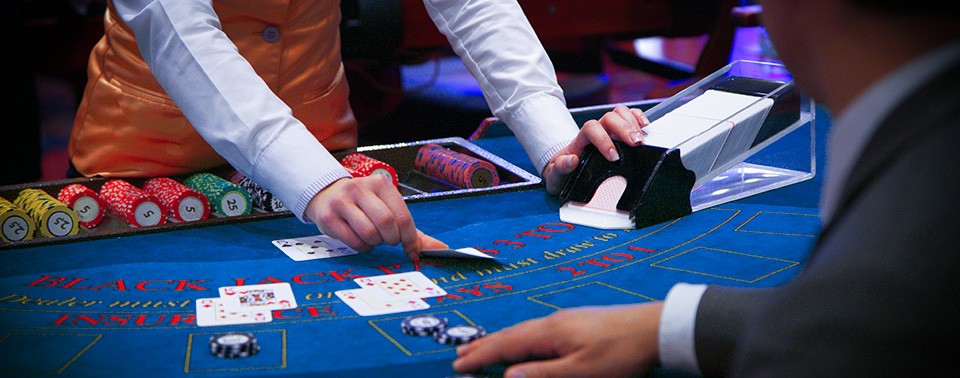
Today's modern version of blackjack played in casinos has evolved significantly from the early versions of the game. One of the most significant changes was the introduction of the “hole card.” In this game version, the dealer is dealt two cards, one face up and one face down. This allows the dealer to peek at the face-down card to see if they have a natural blackjack (an ace and a 10-point card).
Another major change was the introduction of the “shoe,” which is a device that holds multiple decks of cards. This allowed casinos to deal more hands per hour, increasing the amount of revenue they could generate.
The rules of modern-day blackjack vary from casino to casino, but the basic objective of the game remains the same. The goal is to have a hand with a total value of 21 points, or as close to 21 as possible, without going over. The game is played with one or more decks of cards, and each card is assigned a point value. Aces can be worth 1 or 11 points, face cards (jacks, queens, and kings) are worth 10 points, and all other cards are worth their face value.
Blackjack Strategy
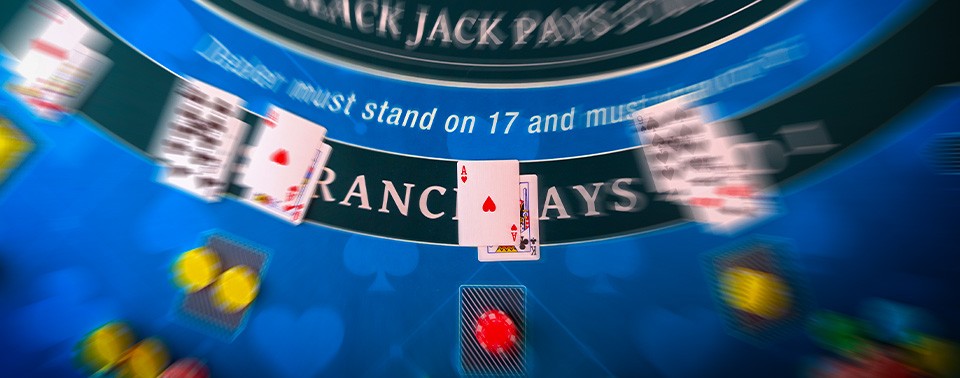
Because blackjack is a game of luck and skill, many strategies can be used to increase the chances of winning. One of the most popular strategies is called “basic strategy,” which involves following rules that dictate when to hit, stand, double down, or split.
Another popular strategy is card counting, which involves keeping track of the cards that have been dealt to determine the probability of certain cards being dealt in the future. While card counting is not illegal, casinos have implemented countermeasures to prevent players from using this strategy. Blackjack has a long and rich history, from its early beginnings as a game played by soldiers in France to the modern version played in casinos worldwide.